









When your child keeps losing focus, forgets things they were just told, or seems unable to slow down, it can be hard to know whether it is simply part of growing up.
ADHD in children and adolescents is far more complex than a lack of attention and at TX Mental Health Services we understand that deeply. Every young patient ages 4–22 begins their journey with a comprehensive clinical evaluation that gives Dr. Murray Fershtman, M.D. a complete and accurate picture of their ADHD before any treatment begins. Our approach to ADHD Treatment Conroe TX is built on clinical precision, genuine patience, and a firm belief that every child deserves a care plan shaped entirely around their individual needs, challenges, and strengths rather than a one size fits all protocol.
There is no single behavior that tells you a child has ADHD. Sometimes the first clues are small things that keep happening at home or school.
You might notice that your child:
One or two of these behaviors does not necessarily mean ADHD. The bigger question is whether these difficulties are persistent and are making school, home life, friendships, or routines harder for your child.
Children do not all experience attention and activity-related difficulties in exactly the same way. Some struggle mainly with focus, while others are more noticeably impulsive or restless.
A child may seem forgetful, easily distracted, disorganized, or unable to stay with tasks that require sustained attention.
Some children have difficulty staying still, seem constantly on the go, or find quiet activities particularly challenging.
A child may interrupt conversations, act quickly without considering what could happen, or struggle to wait their turn.
You may have heard the same concerns from a teacher several times, or perhaps homework and morning routines have become exhausting for everyone. If your child’s difficulties with attention, activity, or impulse control are happening regularly, it is reasonable to ask questions rather than simply wait for them to disappear. An ADHD Evaluation Conroe TX appointment can give you an opportunity to explain what you have been seeing and learn more about whether ADHD or another concern could be involved.
Treatment depends on the concerns being addressed and what Dr. Fershtman learns about your child during the evaluation.
Medication may be discussed when symptoms indicate that medical treatment could be helpful for the child.
Future visits give parents an opportunity to discuss changes, ask questions, and review how their child is doing.
It can be frustrating when a child repeatedly forgets instructions or struggles to stay focused. A professional evaluation can help put those behaviors into context.
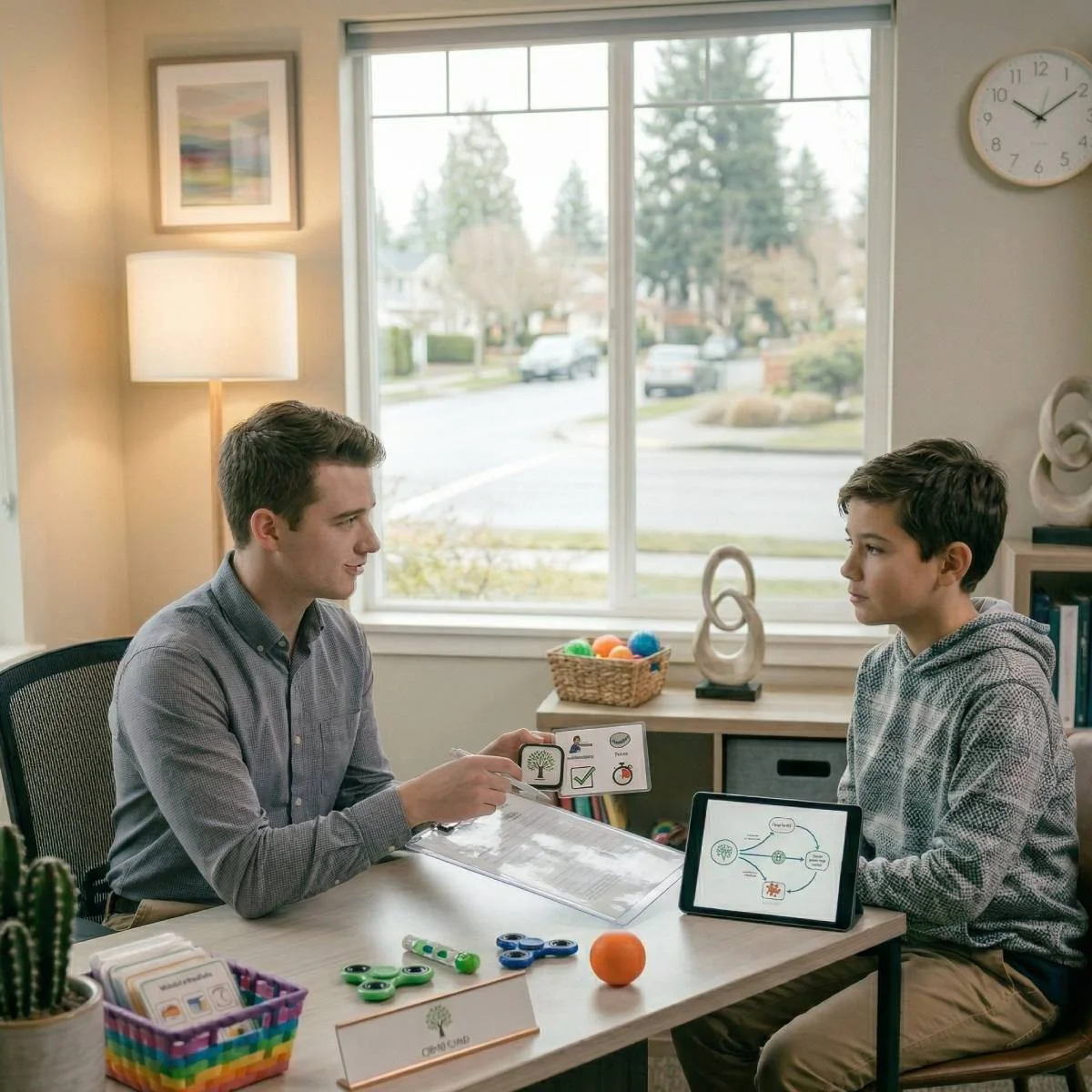
An evaluation starts with listening. Your observations can provide important details about what your child is experiencing.

Tell Dr. Fershtman what you have been noticing, including problems with attention, activity, behavior, schoolwork, or routines.

He considers relevant medical, developmental, behavioral, and everyday information to better understand the concerns.

You can talk through what the evaluation suggests and ask questions about ADHD and other possible considerations.

Future visits provide an opportunity to revisit concerns, discuss changes, and determine whether the current approach remains appropriate.

When difficulties with attention, organization, activity, or impulse control begin affecting everyday routines, parents may wonder whether something more is going on. Dr. Murray Fershtman works with children and adolescents ages 4–22, serving families in Conroe and surrounding Montgomery County communities.

Dr. Fershtman has more than 30 years of medical experience working with young patients.

Symptoms are only one part of understanding a child. Their history, development, behavior, and daily life also matter.

Your observations are important, and you have an opportunity to ask questions and discuss your concerns.

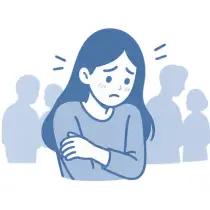
Attention difficulties are not always the only concern parents notice. TX Mental Health Services also provides care for children and adolescents dealing with anxiety, depression, and broader mental health needs.
Persistent worry, fear, or avoidance can interfere with school, friendships, sleep, and activities your child normally enjoys.
Changes in mood, energy, interests, or everyday behavior may be signs that your child needs additional support.
Take the First Step Toward Understanding Your Child
Conroe ,TX
Look at the pattern rather than one isolated behavior. Ongoing difficulty with attention, organization, impulsivity, or activity level may be worth discussing, particularly when it affects school or home life.
You can explain what you have noticed and share concerns from home or school. Dr. Fershtman will ask about your child’s history, behavior, development, attention, and everyday routines.
No. Difficulty concentrating can happen for many reasons. Looking at the child’s overall history and circumstances is important before deciding what may be causing the problem.
Not necessarily. Medication is not automatically recommended for every child. Families considering treatment can discuss whether medication may be appropriate based on the child’s individual situation.
ADHD concerns can be evaluated in children and adolescents. At TX Mental Health Services, Dr. Fershtman works with young patients ages 4–22 and considers each child’s circumstances individually.
At TX Mental Health Services, we work with children and adolescents aged 4-22 years. Some of the mental health challenges we cater to include depression, anxiety, ADHD, among others.
Office Hours & Appointments
Appointment Information
Please feel free to get in touch with any queries you have. Fields marked with * are required.